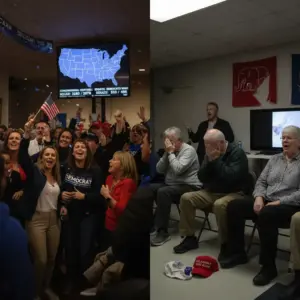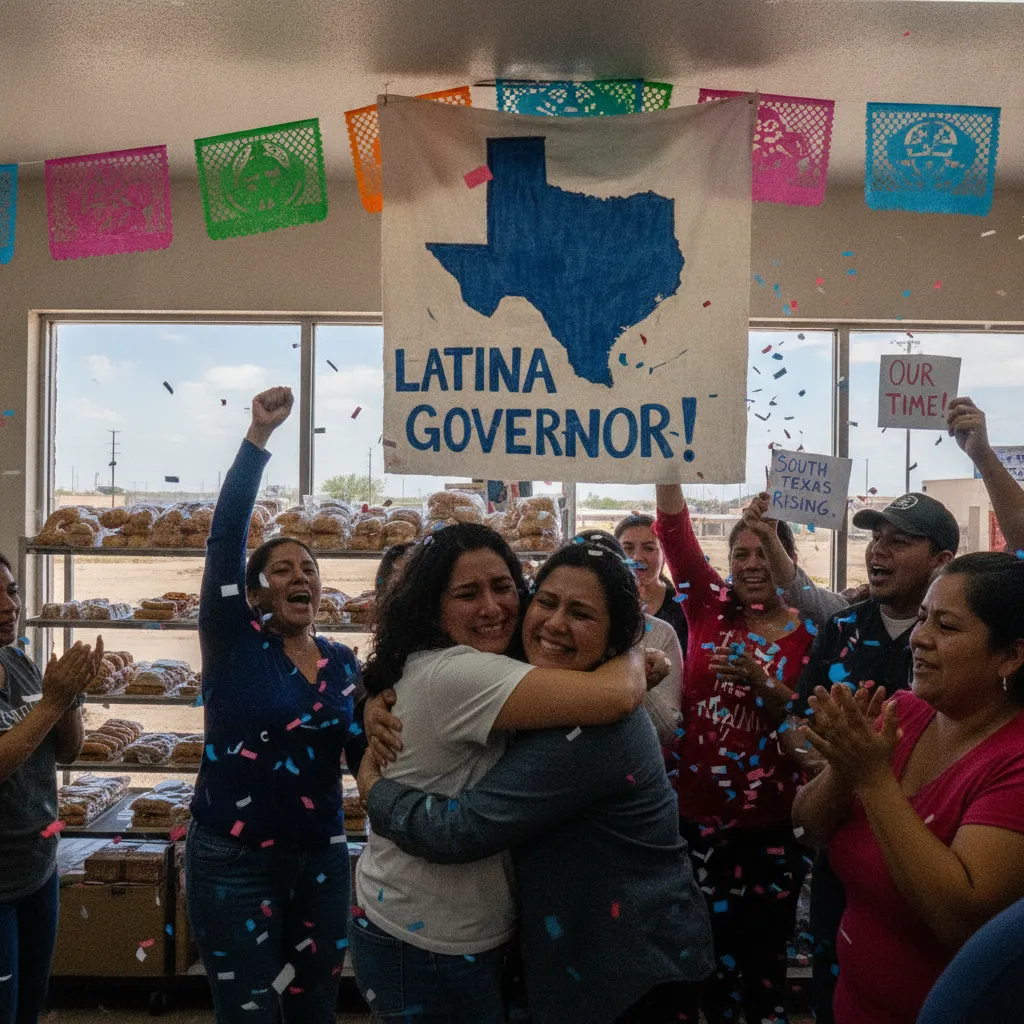
For Daisy Alcazar, a small business owner near the US-Mexico border in South Texas, the midterm results brought an emotional wave of relief. After spending months gripped by fear, she found herself celebrating a historic shift as Texas turned blue and the state elected its first Latina governor. Her experience reflects a broader trend seen throughout the country, where Latino voters felt newly empowered to claim their space in the halls of power, from the deserts of Arizona to the suburbs of Pennsylvania. For many in this community, the victory was less about partisan loyalty and more about ensuring their voices could no longer be ignored.
On the other side of the political divide, some voters expressed a mixture of disappointment and cautious hope. Joseph Knowles, a union autoworker in Michigan who voted Republican, watched his region flip blue with a sense of resignation. While he blamed former President Trump for splitting the party’s appeal, he urged winners to focus on delivering tangible changes rather than pursuing political vengeance. This sentiment echoed across several states, where even those who lost viewed the outcome as a necessary check and balance on government power. In rural Iowa, local organizers celebrated flipping key seats while reminding incoming officials that their primary duty remains serving the public over party interests.
Despite the starkly different ballots cast, participants in CNN’s All Over the Map project revealed surprising common ground between ideological opposites. In one striking exchange, Chris Mudd, a longtime Trump supporter from Iowa, found himself agreeing with Alcazar on the need for comprehensive guest worker programs and paths to legal status for undocumented immigrants without criminal records. Their conversation highlighted a recurring theme among ordinary citizens: while they may disagree on leadership, there is a shared desire for practical solutions to long-standing problems like border security and labor shortages.
This yearning for pragmatism extends to a widespread frustration with Washington’s systemic failures. Voters from both sides of the aisle called for aggressive reforms to curb corruption and limit the influence of big money in politics. Whether calling for term limits or banning stock trading for members of Congress, there is a growing feeling that today’s elected officials are far more extreme than the constituents they represent. As some worry that upcoming impeachment battles will once again derail governance into theater and retribution, others simply hope that this electoral shakeup finally pushes lawmakers toward meaningful cooperation instead of endless gridlock.